



"Sign in with ChatGPT": AI Assistants Are Becoming Operating Systems

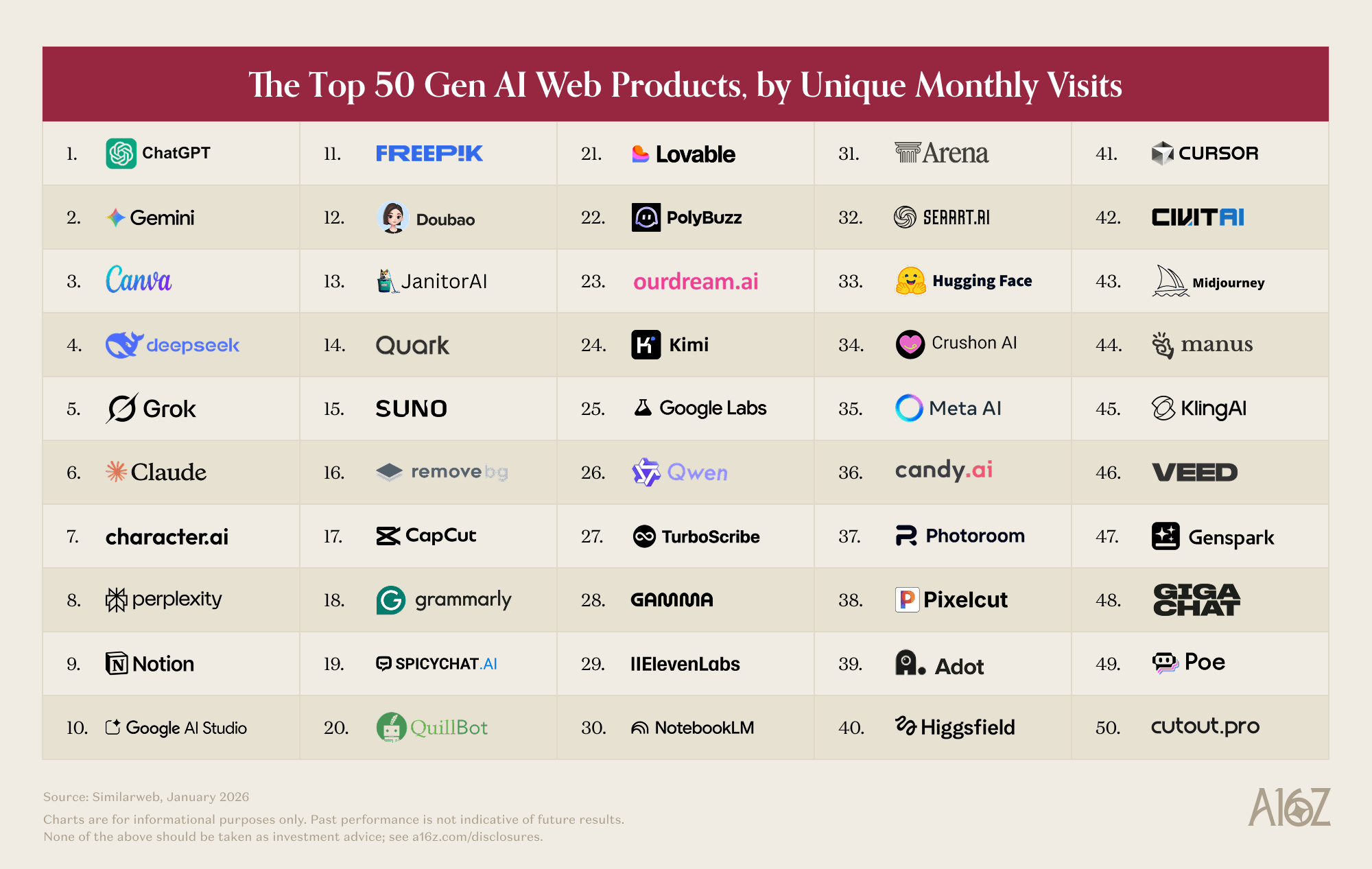
The 6th edition of a16z's Top 100 Gen AI Apps makes one thing clear: the next phase of GenAI isn't about better models. It's about platform lock-in. Identity layers. App stores. The race to own your memory.
Sam Altman announced that OpenAI will launch "Sign in with ChatGPT", positioning ChatGPT as the default interface between consumers and the internet. Think "Sign in with Google," but for AI. The ambition is to make ChatGPT the starting point for shopping, booking, browsing, health, and daily life.
This is a big deal. And most people haven't fully processed what it means.
The Lock-In Playbook
The real moat in AI isn't the model. It's the context layer built on top of it.
Once you connect your calendar, email, CRM, and favorite tools to your preferred assistant, switching costs rise dramatically. Your AI knows your preferences, your workflows, your history. It remembers that you prefer window seats, that you're vegetarian on Mondays, that your Q2 OKRs are due next week.
"Once a user has configured their AI to talk to their calendar, email, and CRM, switching costs rise dramatically."
This is the "Sign in with ChatGPT" endgame. It's not about authentication. It's about making ChatGPT the container for your digital life, and making it painful to leave.
Two Ecosystems, Two Philosophies
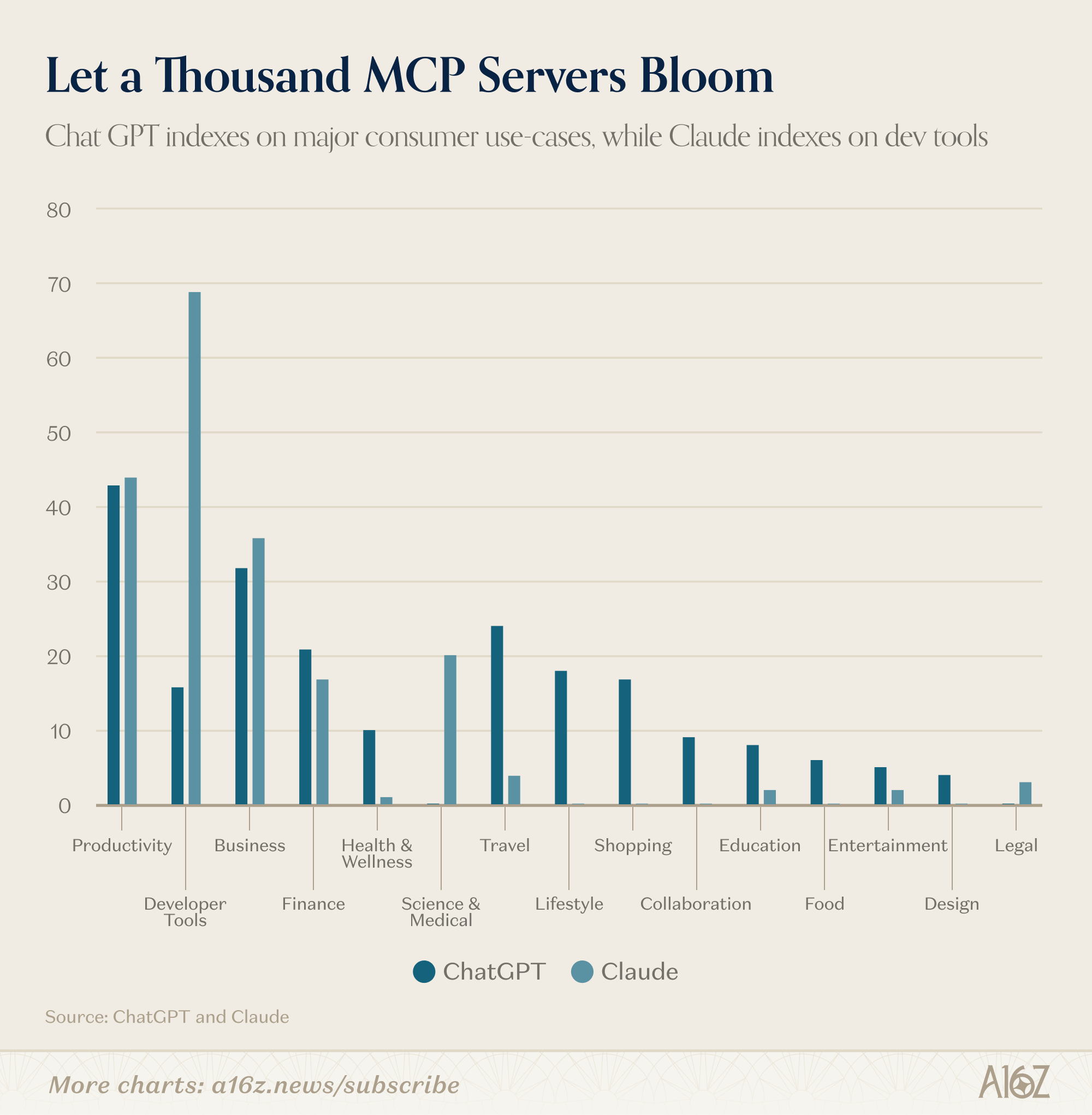
What's striking is how differently ChatGPT and Claude are building their platforms. This isn't a winner-take-all race. It's market segmentation happening in real time.
ChatGPT has 220+ apps across 13 categories. It's going broad: consumer super-app territory. Expedia, Instacart, Zillow. Travel, shopping, food, health. 85+ apps in consumer transaction categories alone. a16z calls it "the most aggressive play any AI company has made to become a consumer super-app."
Claude has 160 curated connectors plus 50+ community MCP servers. It's going deep on pro tools: PitchBook, FactSet, Sentry, Snowflake, PubMed, Benchling. Financial terminals, developer infrastructure, scientific tools.
The overlap? Only 11%. Forty-one shared apps out of hundreds, mostly horizontal productivity tools like Slack, Notion, Figma, Gmail, and Google Calendar.
a16z's framing here is sharp:
"If the AI assistant becomes not just a chat window but an operating environment, this race may end up looking less like the search wars, where one player took 90% of the market, and more like the mobile OS wars, where two platforms with very different philosophies both built trillion-dollar ecosystems."
iOS vs. Android, but for intelligence. ChatGPT as the consumer-first platform with a massive marketplace. Claude as the prosumer/enterprise platform with deep integrations. Both viable. Both building lock-in. Both racing to become the layer you can't live without.
Your Compute, Your Memory, Their Platform
The pattern is clear if you look at the product moves:
- Memory. ChatGPT now remembers across conversations. Claude has project-level context. Your history becomes the product's competitive advantage.
- Compute. Claude Code hit $1B ARR in six months. Codex has 2M weekly active users growing 25% per week. You're not just chatting, you're running workloads on their infrastructure.
- Identity. "Sign in with ChatGPT" turns the assistant into an identity provider. Your AI becomes your login, your preferences, your digital persona.
- App stores. Both platforms now have ecosystems of third-party integrations. The more you connect, the stickier you get.
This is the classic platform playbook: make the product useful, then make it indispensable, then make it the default layer everything else connects through.
From Destination to Ambient
The most interesting signal in the a16z report is that AI is leaving the chat window entirely.
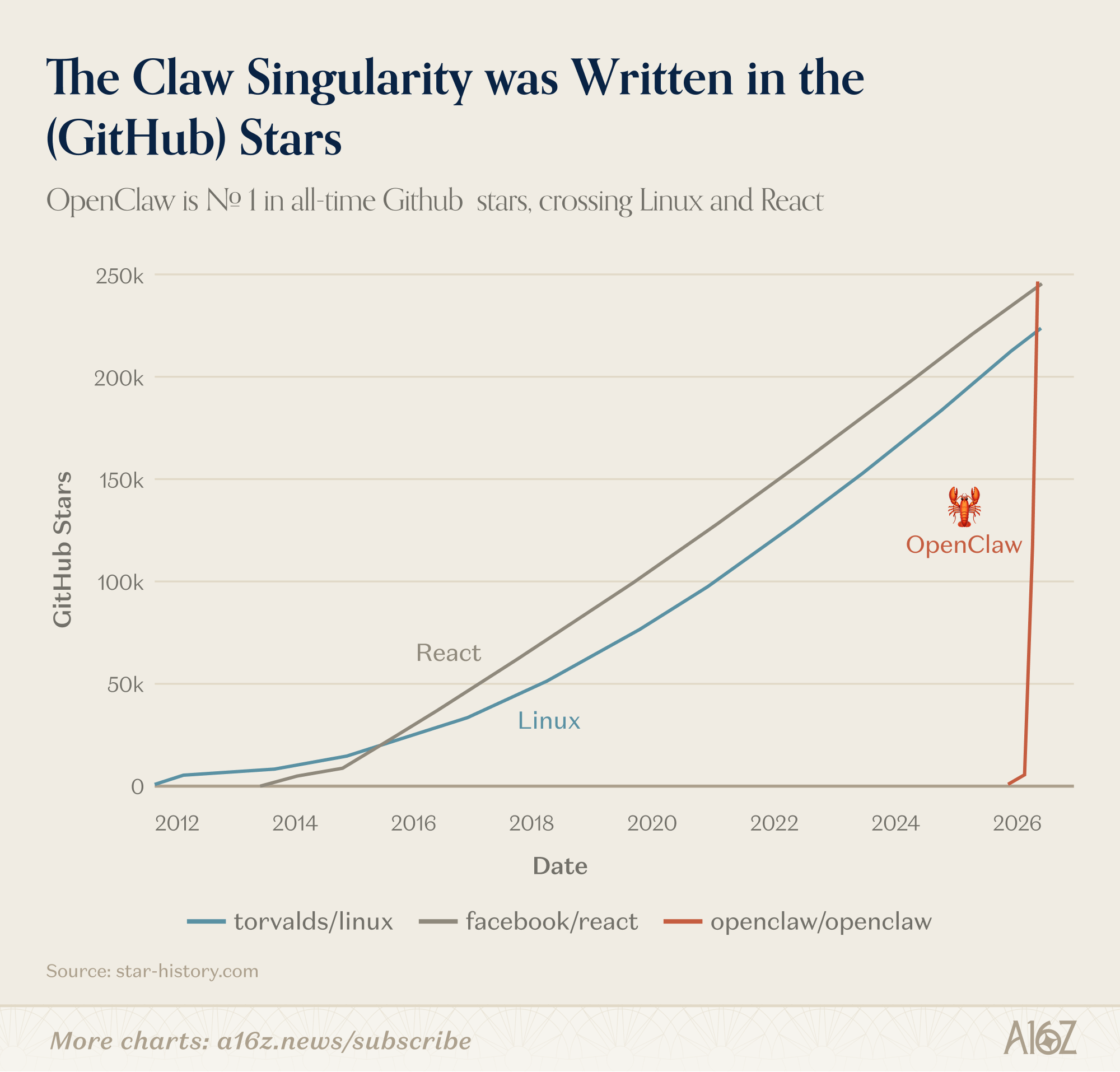
Browsers: Perplexity's Comet, OpenAI's Atlas, Gemini and Claude shipping as Chrome extensions. Desktop apps: Cursor, Granola, Claude Code. Voice: ambient assistants that listen and act. Agents: OpenClaw, Manus, tools that execute multi-step tasks autonomously.
"As AI moves from a destination to a feature, our methodology will need to shift."
This is the endgame. AI stops being a thing you go to and becomes the substrate everything runs on. The question isn't which chatbot is best. It's which platform becomes the operating environment for your digital life.
What This Means for Builders
If you're building products today, the strategic implications are real:
- Pick your platform. Building on ChatGPT gives you consumer reach; building on Claude gives you prosumer depth. The 11% overlap means your distribution strategy matters as much as your product.
- Connectors are the new distribution. Being in the ChatGPT app store or having a Claude MCP server is becoming as important as being in the App Store or on the Chrome Web Store.
- Memory is the moat. Products that build on the platform's memory layer (user preferences, history, context) will be stickier than standalone tools.
- The window is closing. Early movers in each ecosystem will have an advantage as users settle into their preferred platform and switching costs compound.
The Bottom Line
We're watching the birth of a new platform war. Not about models. Not about benchmarks. About who owns the context layer between you and the internet.
"Sign in with ChatGPT" isn't a feature announcement. It's a declaration of intent. And Claude's MCP ecosystem is the countermove.
The platform that owns your identity, memory, and connections wins, regardless of which model is technically best on any given Tuesday.